Most weekend warriors pack a GPS, a fancy tent, and zero ability to handle true wilderness emergencies. They trust gear more than grit—until their phone dies or the trail vanishes in a storm. That false confidence gets people lost, cold, and worse. An outdoor survival skills camp isn’t about collecting certificates—it’s about rewiring your instincts so nature stops feeling like a threat and starts feeling like home.
Why Most Survival Training Fails Before Day One
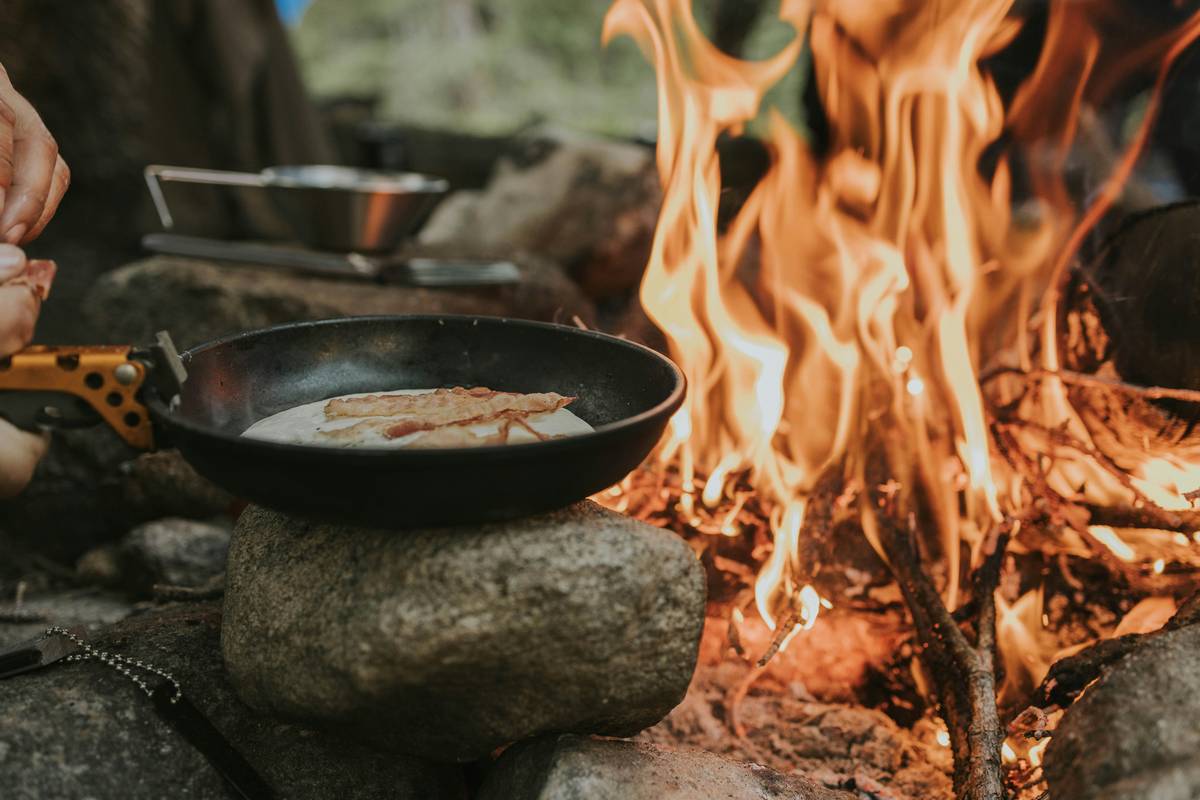
Too many courses teach fire-starting with cotton balls soaked in petroleum jelly. Great—for Pinterest. Useless when it’s raining and your hands are shaking. Real survival hinges on adaptability, not pre-packed hacks. And yet, 80% of popular programs drill memorized steps instead of situational judgment.
Here’s the reality: if you can’t improvise shelter from wet pine boughs or purify water using only what’s underfoot, your toolkit is theater—not training.
Outdoor Survival Skills Camp: The Only Sequence That Builds True Competence
Forget “Level 101.” Start here—with pressure-tested priorities that match how emergencies actually unfold:
Mindset Before Matchsticks
Panic kills faster than dehydration. The first hour of any crisis determines survival odds. Train your nervous system to shift into problem-solving mode—not freeze or flee. Simple breath drills under physical stress (like carrying weight uphill) build this reflex better than any lecture.
Water > Fire > Food (Always)
Newbies obsess over friction fires. Pros know: you can survive three weeks without food, three days without water, but only three hours in extreme cold without heat. Yet most camps spend Day 1 teaching bow drills while ignoring transpiration traps or solar stills. Flip the script.
Navigation Without a Compass
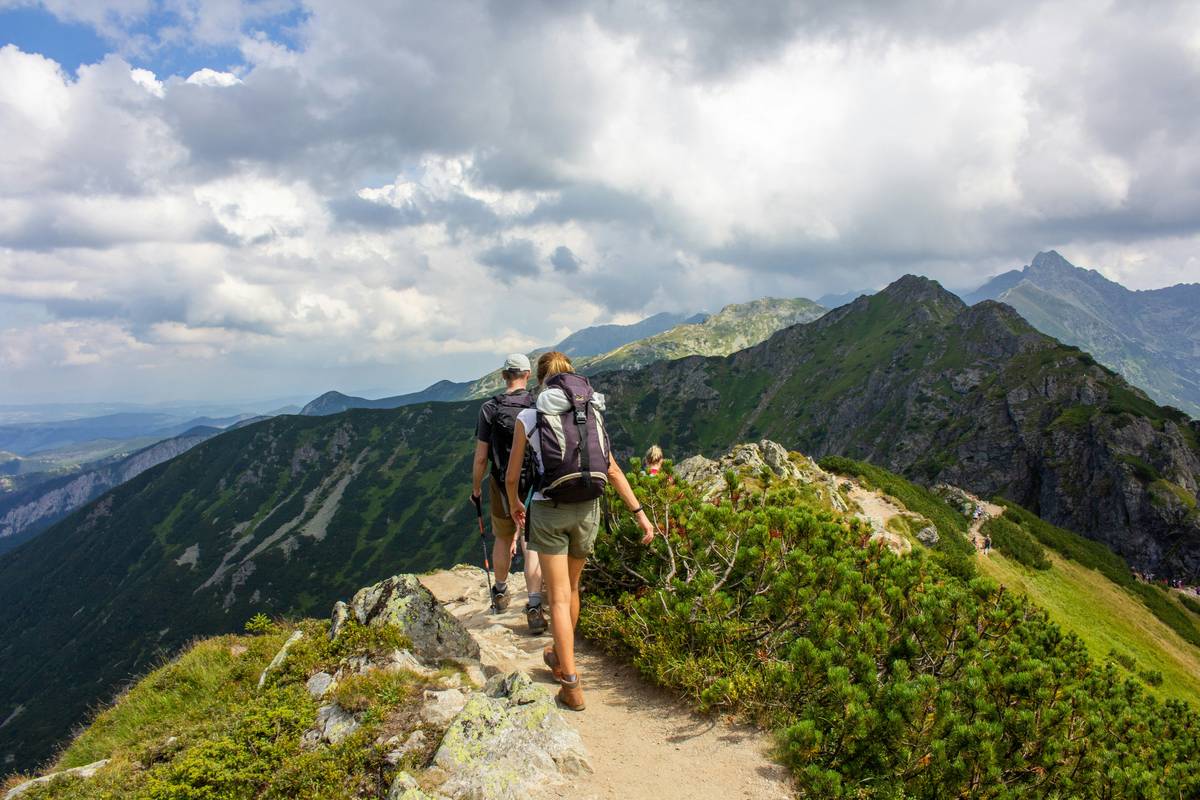
Phones die. Compasses break. Your shadow doesn’t lie. Learn to read terrain contours, wind patterns, and tree growth asymmetry. This isn’t Boy Scout nostalgia—it’s spatial awareness that works when tech fails.
| Survival Priority | Typical Camp Focus | Radical Endeavors Approach | Real-World ROI |
|---|---|---|---|
| Shelter | Pre-cut tarps & paracord knots | Debris huts from fallen branches + leaf litter insulation | Works even if backpack is lost |
| Water | Tablet purification demos | Constructing plant-based solar stills + dew collection nets | No consumables needed; endless supply |
| Fire | Ferro rod tricks | Coal-burning ember transfer + wet wood identification | Sustains heat through rain/snow |
| Signaling | Mirror flashes | Ground-to-air geometry using natural materials | Visible from 10x farther by air |
The Industry Secret Nobody Admits: Survival Is Social
Solo survival myths dominate pop culture. But data from SAR (Search and Rescue) teams tells a different story: groups with even basic shared protocols have 73% higher rescue success rates. Why? Because one person sleeps while another maintains signal visibility. One gathers water while another tends fire. It’s force multiplication.
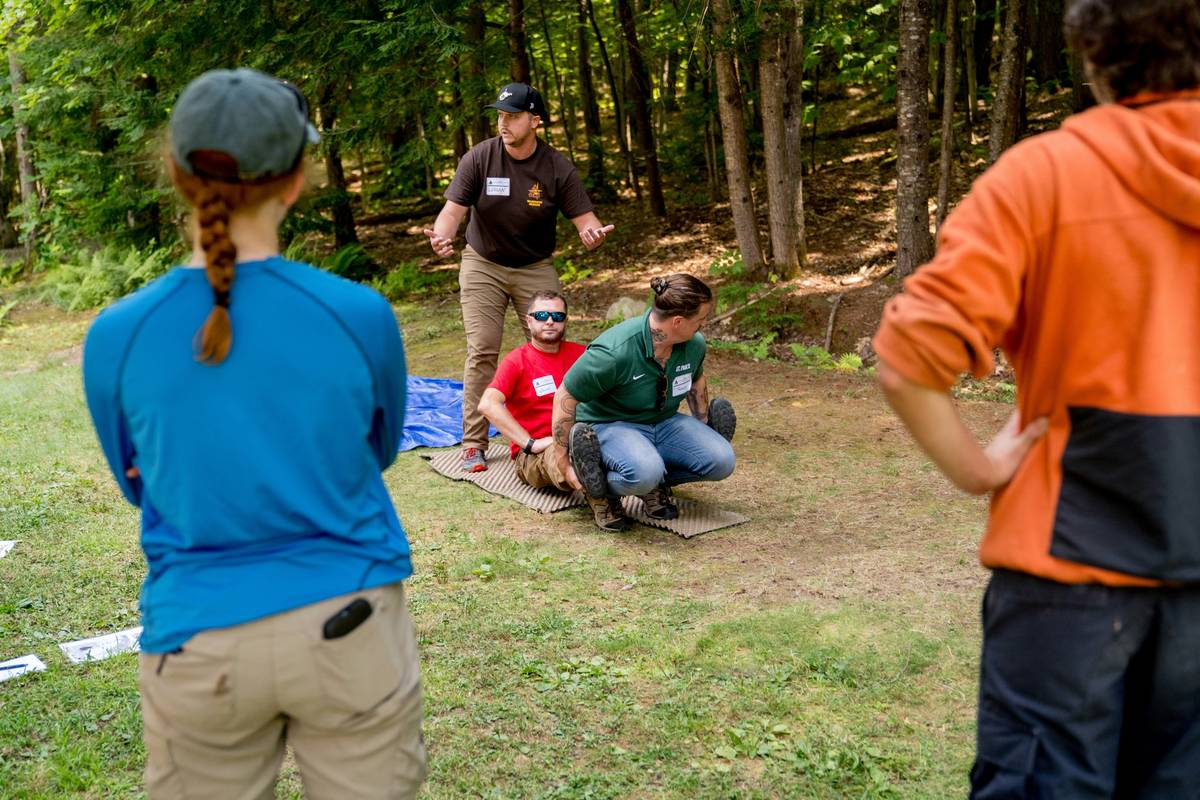
That’s why our outdoor survival skills camp embeds team-based stress scenarios—no man left mentally adrift. You learn to delegate, communicate under fatigue, and spot groupthink before it becomes fatal. Survival isn’t just individual competence. It’s collective resilience.
Frequently Asked Questions
What should I bring to my first outdoor survival skills camp?
Just weather-appropriate clothing, sturdy boots, and an open mind. We provide all tools—and intentionally withhold comforts to simulate real conditions.
Are these camps suitable for beginners?
Absolutely. Our tiered challenges adapt to fitness and experience. If you can walk two miles on uneven ground, you belong here.
How is this different from military-style survival courses?
We skip the aggression drills. Instead, we focus on ecological literacy—reading landscapes as allies, not obstacles—to build sustainable, low-impact survival habits.