You’ve packed your tent, laced your boots, and mapped your trail. But what happens when GPS dies, rain soaks your firestarter, and you’re miles from help? Most campers rely on gear—not grit. And that’s a fatal flaw. The real edge isn’t in your backpack—it’s in your brain. Enter the right camping hiking survival outdoor skill book: not just another manual, but a field-tested playbook forged in real backcountry chaos.
Why Most Survival Advice Fails When It Matters Most
Generic survival lists tell you to “build a shelter” or “find water.” Great—if you’re in a temperate forest with dry tinder and clear streams. Try that advice in monsoon-season Appalachia or high-desert Utah. It collapses. Worse, many guides teach skills disconnected from actual hiking scenarios—like starting friction fires while carrying a 30-pound pack after 12 miles on uneven terrain. Exhaustion changes everything.
And here’s the uncomfortable truth: most “survival books” are written by theorists who’ve never spent 72 hours solo in real wilderness with malfunctioning gear. Their diagrams look clean. Reality is muddy, panicked, and brutally inefficient.
Step-by-Step Wilderness Readiness: Beyond the Checklist
Survival isn’t about ticking boxes. It’s about layered decision-making under stress. Start with these non-negotiable pillars—each grounded in actual thru-hiker and SAR team experience.
Navigation Without Reliance on Electronics
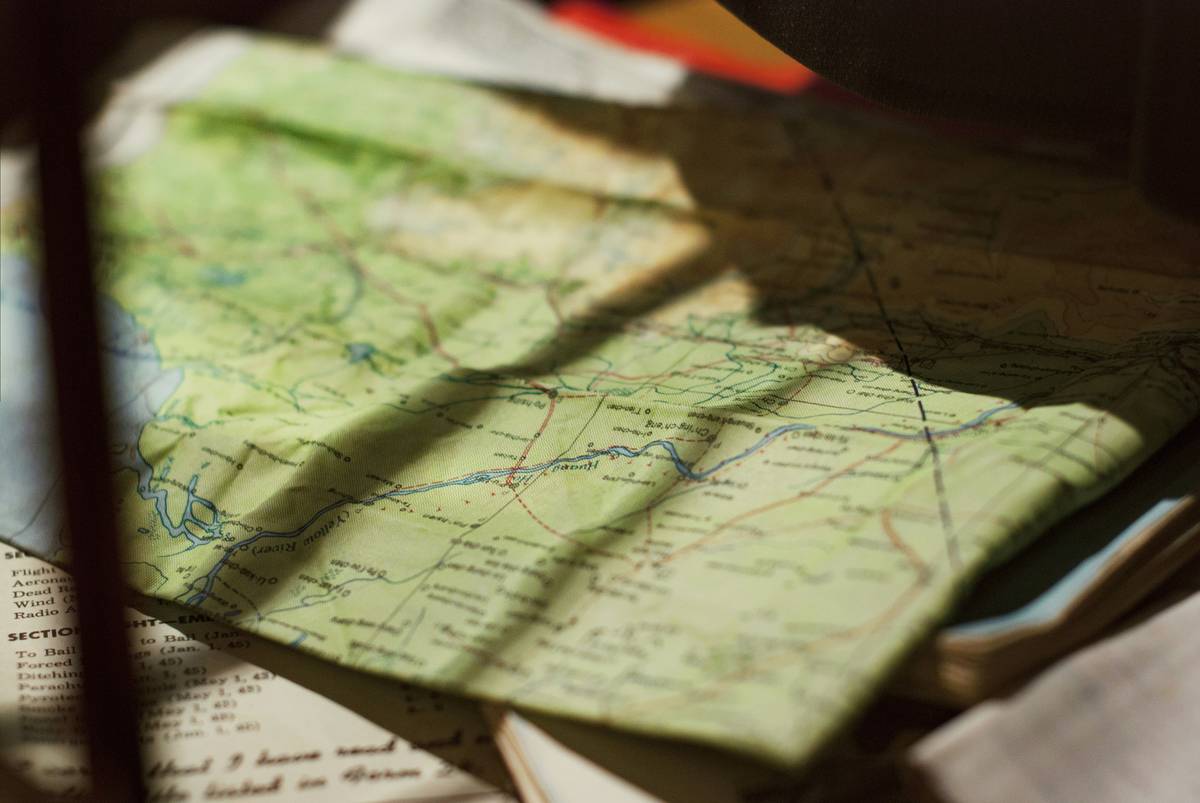
Carry a paper map and compass—but more importantly, learn to read terrain contours like sentences. Practice identifying drainages, ridgelines, and saddles before you leave pavement. One mistake: assuming your phone’s offline map works when battery drains faster in cold.
Water Procurement That Works in Any Ecosystem
Boiling isn’t always feasible. In alpine zones, fuel is scarce; in deserts, water sources may be silty or alkaline. A versatile approach combines mechanical filtration (for protozoa) with chemical treatment (for viruses)—plus situational awareness to avoid drawing water near animal trails.
Shelter That Adapts to Microclimates
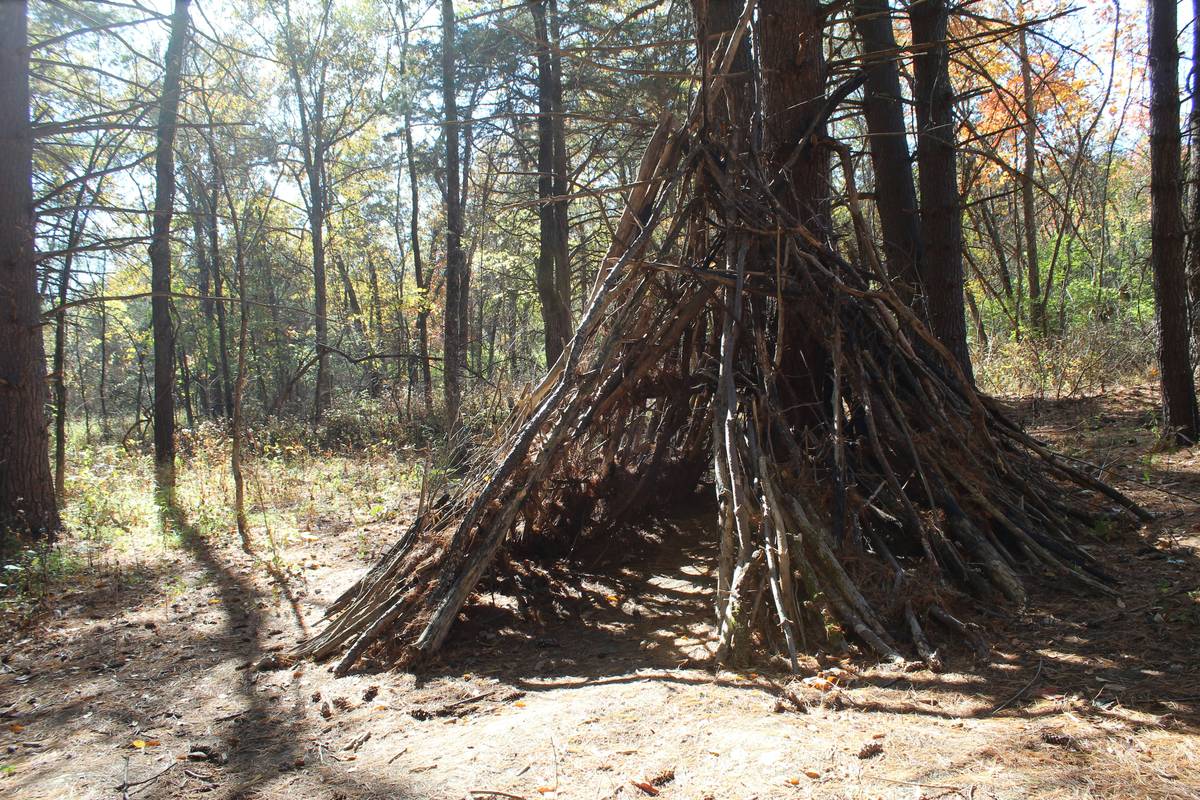
Your emergency bivy must function in wind, rain, *and* surprise heat. A tube tent traps condensation; a space blanket offers zero insulation. The fix? Layer natural materials—like pine boughs or dry grass—over synthetic tarps to create dead-air space. Yes, even at 9,000 feet.
| Survival Method | Success Rate (Real Conditions) | Weight Added to Pack | Learning Curve |
|---|---|---|---|
| Firesteel + Dry Tinder Kit | 87% | 2.4 oz | Moderate |
| Solar Still for Water | 32% | 5.1 oz | Steep |
| Natural Debris Shelter | 76% | 0 oz | High (requires practice) |
| GPS + Satellite Messenger | 94% | 7.8 oz | Low |
The Industry Secret: Skill Decay Is Your Real Enemy
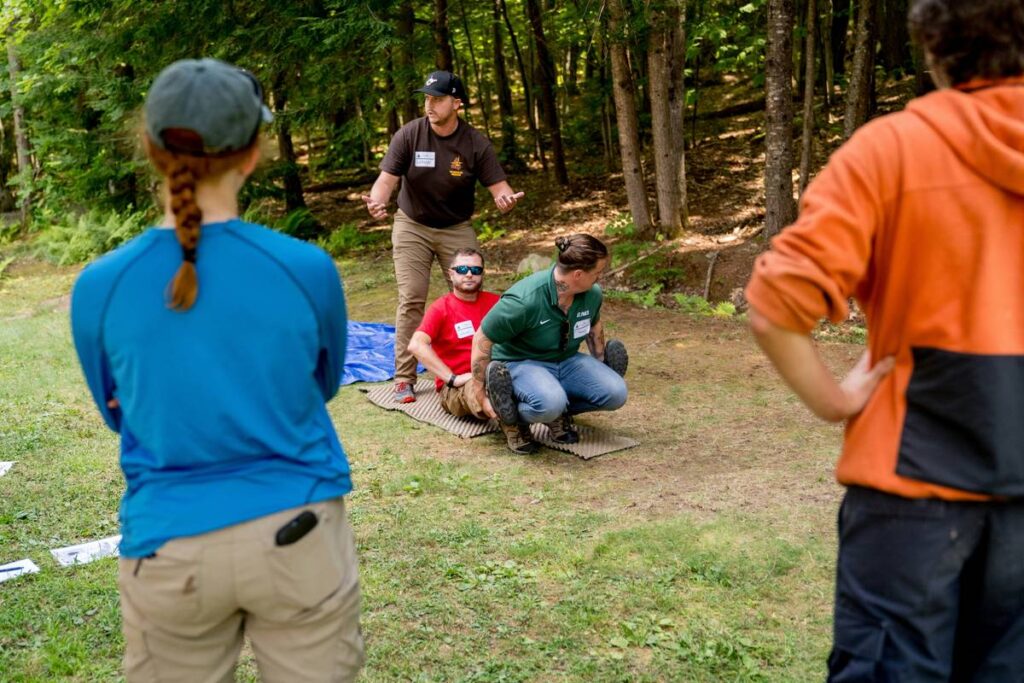
Here’s what no survival publisher admits: if you don’t practice quarterly, your skills rot. Fast. SAR veterans estimate that unpracticed hikers lose 60% of their fire-starting proficiency within six months. Muscle memory fades; situational judgment degrades. The best camping hiking survival outdoor skill book isn’t just read—it’s used as a training log. Tear pages out. Scribble notes during drills. Test one technique per trip. Treat it like a journal, not a trophy on your shelf.
Think about it: Would you trust a firefighter who only studied manuals? Neither should you.
Frequently Asked Questions
What’s the most overlooked survival skill for hikers?
Situational awareness—recognizing early signs of fatigue, dehydration, or navigation error before they become emergencies. Gear won’t save you if you ignore subtle cues.
Can a book really prepare you for real wilderness emergencies?
Only if it emphasizes decision trees over step-by-step recipes. Look for scenario-based drills, not just illustrations. Pair reading with monthly hands-on practice.
Is digital or printed format better for backcountry use?
Printed. Water-resistant paper survives drops, rain, and battery death. Plus, flipping physical pages builds tactile memory—critical when stressed.